
Packing for your first safari in Uganda is a unique challenge. Unlike a traditional beach holiday or a European city break, a Ugandan adventure requires gear that can handle three vastly different environments: the humid, tangled rainforests of Bwindi, the sun-baked savannas of Murchison Falls, and the chilly, mist-covered highlands of the southwest.
To ensure you are prepared for everything from a high-stakes gorilla trek to a sunset game drive, follow this in-depth guide to packing for the “Pearl of Africa.”
1. The Strategy: Layers and Earth Tones
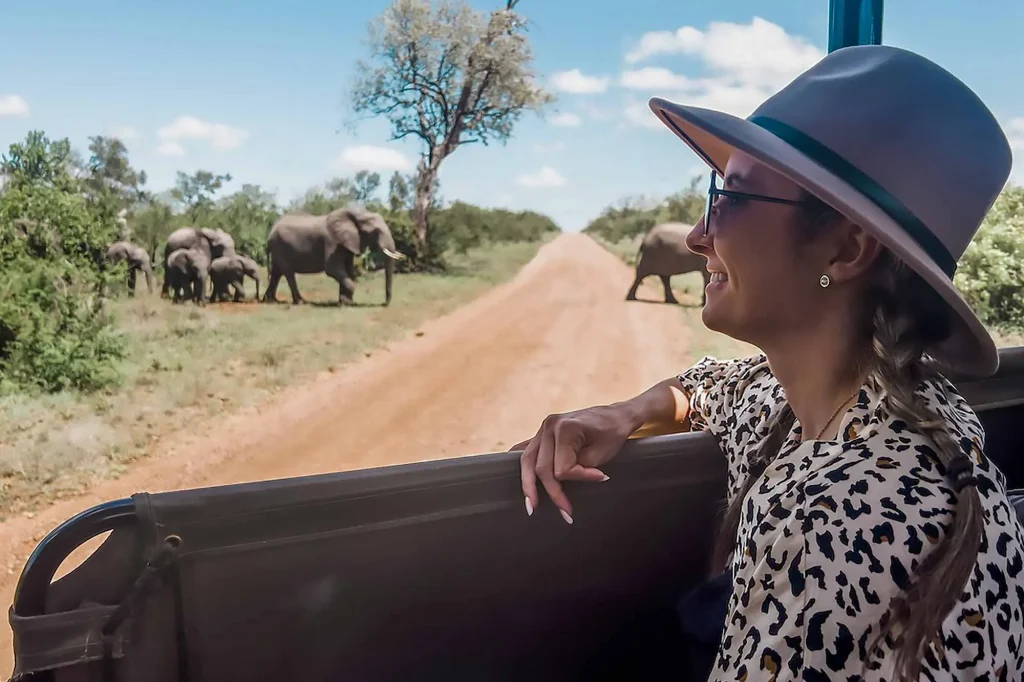
In Uganda, the golden rule is function over fashion. You will experience “four seasons in a day,” starting with a shivering 10°C (50°F) morning and ending in a 30°C (86°F) afternoon.
- The Color Palette: Stick to neutral, earth tones—khaki, tan, beige, and olive green. Avoid bright white (it gets dirty instantly), bright red or yellow (it can distract or agitate wildlife), and blue or black (these colors are magnets for tsetse flies, which have a painful bite).+1
- The Layering System: Bring moisture-wicking base layers, a couple of long-sleeved safari shirts (to protect against thorns and sun), and a high-quality fleece or light down jacket for early morning game drives.
- A Note on Camouflage: Do not pack camouflage clothing. In Uganda, as in many African nations, camouflage is reserved strictly for the military, and wearing it as a civilian can lead to uncomfortable questioning by authorities.
2. Primate Trekking Essentials
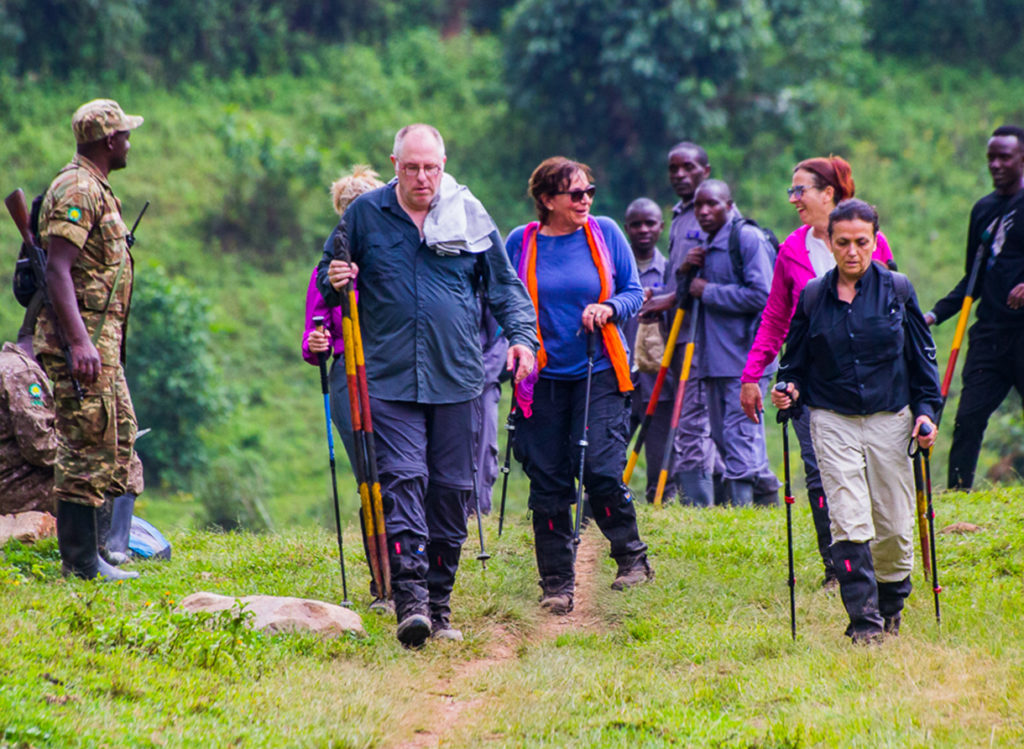
Whether you are tracking chimpanzees in Kibale or mountain gorillas in Bwindi, the forest floor is unforgiving. It is wet, steep, and home to “safari ants” that love to climb up legs.
- Tucking into Socks: This is the most important tip you will receive. Wear long trousers and tuck them into thick, long hiking socks. It looks unfashionable, but it creates a barrier against ants.+1
- Gardening Gloves: This sounds odd until you are sliding down a muddy slope and reach out to grab a vine, only to find it covered in thorns or stinging nettles. A simple pair of sturdy gardening gloves will save your hands.+1
- Hiking Boots: Do not attempt primate trekking in sneakers. You need waterproof, ankle-high boots with deep treads for grip on slippery terrain. Ensure you “break them in” at home for at least a month before your trip to avoid blisters.
3. Tech and Optics: Capturing the Moment
Uganda is a visual feast, but it is also dusty and remote. Your gear needs protection.
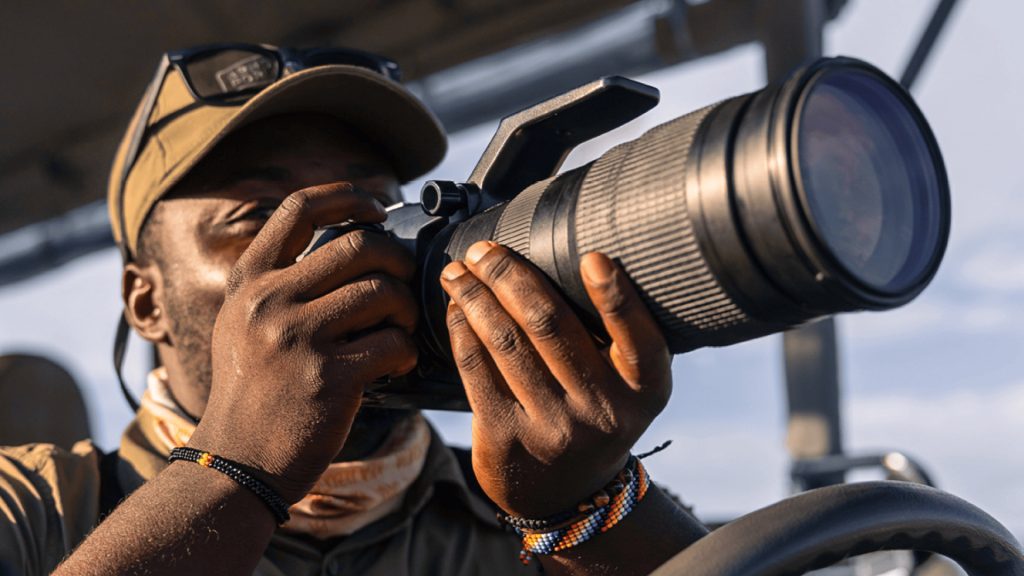
- Binoculars: Do not rely on your guide to share theirs. A personal pair of 8×42 binoculars is essential for spotting leopards in trees or the prehistoric Shoebill stork in the marshes.
- The Camera Setup: If you use a DSLR, a 70–300mm lens is ideal for the savanna, but a wider lens is better for the low-light conditions of the rainforest. Bring extra batteries and memory cards; electricity can be intermittent at remote lodges, and you’ll be surprised how quickly you fill a card during a gorilla encounter.
- Power Solutions: Uganda uses the UK-style three-pin plug (Type G). Bring a universal adapter and a high-capacity power bank for long days in the bush.+1
4. The “Bush” Medical Kit

While your guide will have a basic first aid kit, you should carry a personal pouch for daily comfort.
- Malaria Prophylaxis: Uganda is a high-risk malaria zone. Consult your doctor for the best medication for you.
- Insect Repellent: Look for a spray with 30–50% DEET. For a more natural addition, citronella-based soaps can provide an extra layer of defense.
- The “Ugandan Belly” Shield: Pack Imodium (anti-diarrheal), rehydration salts (ORS), and a broad-spectrum antibiotic if your doctor permits. The change in diet and water (always drink bottled or filtered water!) can sometimes cause minor upsets.
- Sun Protection: The Ugandan sun at the equator is deceptively strong. Pack SPF 50+, polarized sunglasses, and a wide-brimmed hat with a chin strap so it doesn’t blow off during a moving game drive
5. Luggage: Soft is Superior
If your itinerary includes domestic “fly-in” legs (e.g., flying from Entebbe to Kisoro or Kidepo), your luggage choice is critical.
- Soft-Sided Bags Only: Small bush planes have tiny cargo pods. Hard-shell suitcases often physically won’t fit and may be rejected. Use a soft duffel bag or a large rucksack.
- Weight Limits: Domestic flights strictly enforce a 15kg (33 lbs) limit, including your carry-on. Most lodges offer laundry services (often for free or a small fee), so you truly only need about 3–4 outfits that you can rotate.+1
6. Documents and Currency
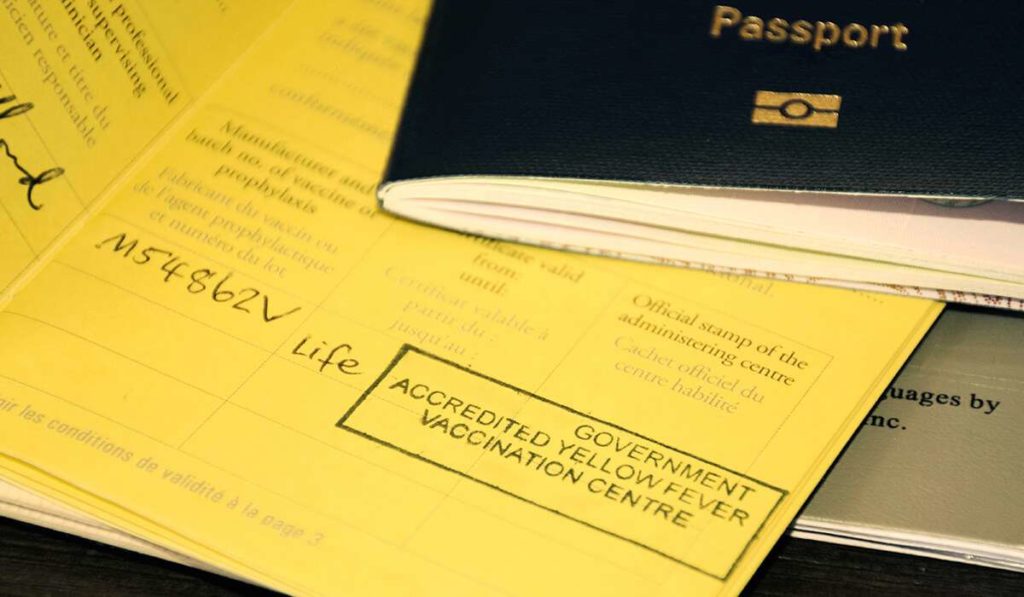
- Yellow Fever Certificate: This is a mandatory entry requirement. You must present your “Yellow Card” at Entebbe International Airport.
- USD Cash: While credit cards are accepted in major hotels, Uganda is still a cash-heavy society. Bring pristine, un-torn US Dollar bills printed after 2013—older or damaged notes are often rejected by banks and lodges. Small denominations are vital for tipping guides, porters, and lodge staff.
Summary Checklist
- Clothing: 3x Long trousers, 3x Safari shirts, 1x Fleece, 1x Waterproof poncho.
- Footwear: Broken-in hiking boots, sandals for the lodge.
- Trekking Gear: Gardening gloves, long socks, gaiters (optional).
- Medical: Malaria pills, DEET, sunscreen, Imodium, personal prescriptions.
- Electronics: Binoculars, camera + extra batteries, UK plug adapter, power bank.
- Documents: Passport, e-Visa printout, Yellow Fever card, travel insurance.
Planning a safari in Uganda for the first time- we hope the above guide will help you make the right decision when packing for your safari adventure. To inquire or book, simply contact us now by sending an email to info@dksafarisuganda.com.

